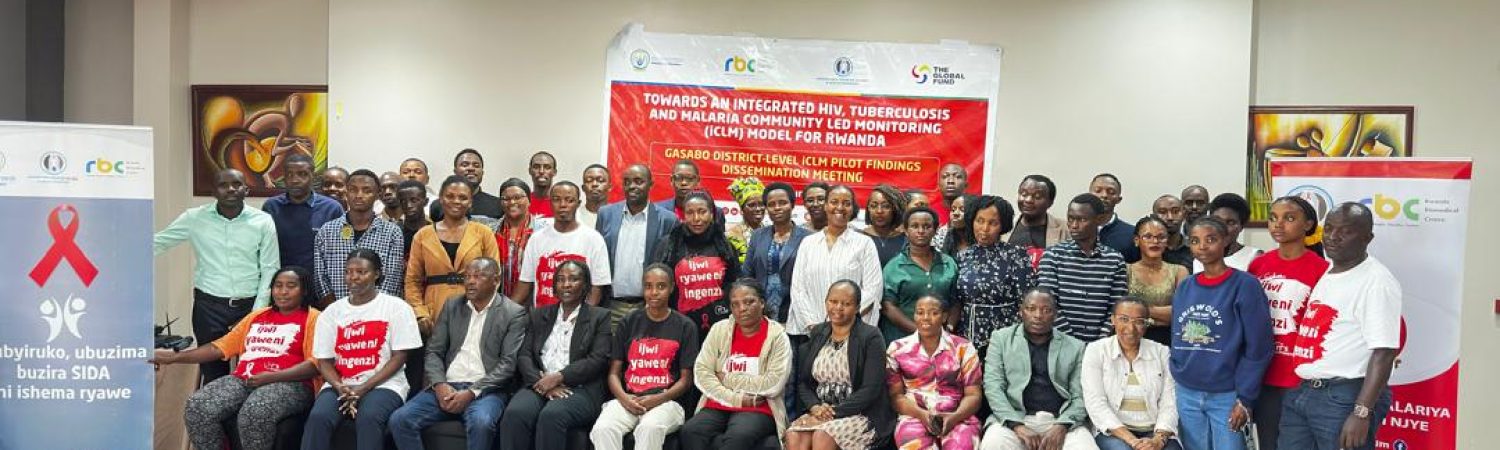
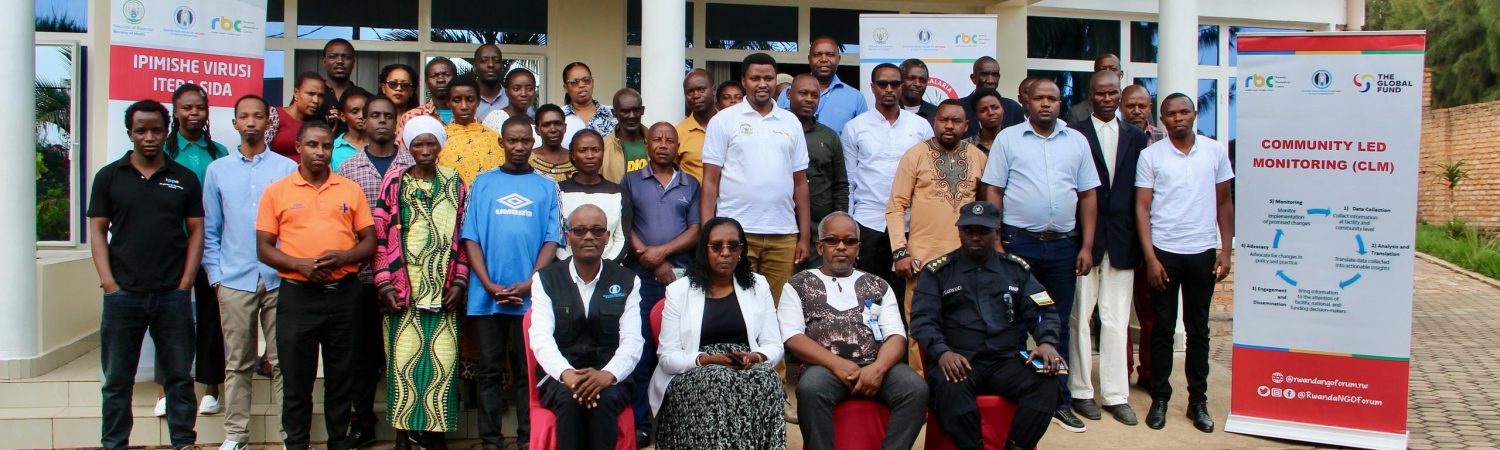
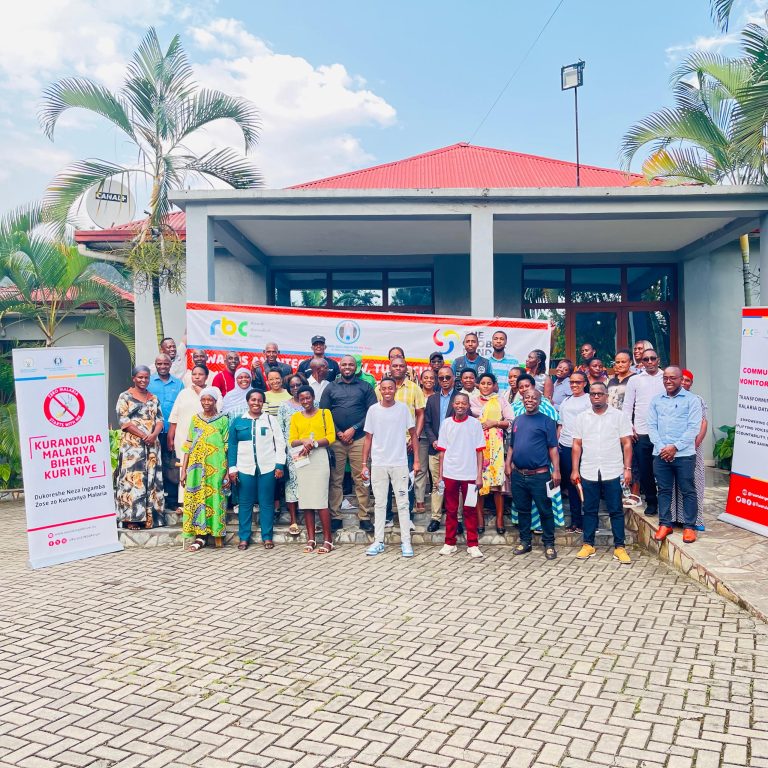
The Integrated Community-Led Monitoring (iCLM) model, developed by the Rwanda NGOs Forum on HIV/AIDS and Health Promotion in collaboration with the Rwanda Biomedical Centre and supported by The Global Fund, strengthens healthcare delivery for key and vulnerable populations affected by HIV, TB, and malaria in Rwanda.

Through real-time community data collection and direct engagement with affected groups, iCLM identifies gaps in care, addresses stigma and discrimination, and drives practical improvements in service access and quality. By amplifying community voices, the model ensures that health systems respond effectively to the needs of those most at risk.

Our Impact

Service Improvement Resolution Rate
0 %

Health Facility Responsiveness Score

0 %

Number of People Reached

0 k

Latest News

From Diagnosis to Neglect: Rwanda’s Malaria Test-and-Treat Gap Demands Immediate System Accountability

Between 2024 and 2025, the integrated Community-Led Monitoring (iCLM) pilot assessed malaria service delivery at both facility and community levels in Gasabo, Bugesera, and Rwamagana districts.

Malaria Diagnosis at Risk: Rwanda Must Fix RDT Timing and Treatment Gaps Now to Protect Its 2030 Elimination Goal

The iCLM pilot assessed the quality and accountability of malaria service delivery in Gasabo, Bugesera, and Rwamagana during March-May, 2025 period. Quality assurance challenges were observed in rapid diagnostic testing (RDT).

Up to 42 % of PLHIV Tested for Viral Load Left Without Results in Bugesera, Gasabo and Rwamagana.

Between march and May 2025, the ICLM for HIV, TB and Malaria Pilot conducted in selected health facilities across Bugesera, Gasabo, and Rwamagana uncovered a critical service gap affecting People Living with HIV (PLHIV).

Leveraging Digital Innovations for Effective Monitoring

Unlike traditional monitoring methods, which often fail to capture specific challenges faced by key populations, iCLM introduces a digital community data management system that equips community monitors with tablets to collect real-time data. The system allows for swift data entry, storage, and sharing with decision-makers, including the Ministry of Health, RBC, and other stakeholders, ensuring that healthcare improvements are data-driven. The platform provides accurate and timely insights into the quality of services delivered, helping policymakers implement targeted interventions that enhance accessibility and treatment outcomes. Additionally, the digital approach replaces unreliable feedback mechanisms, such as suggestion boxes, ensuring that community voices are heard and acted upon. By addressing service gaps and prioritizing high-risk groups, iCLM plays a critical role in Rwanda’s efforts to combat HIV, TB, and Malaria, ultimately improving the well-being of vulnerable communities and advancing national health goals.

Animated Image
×

Loading...